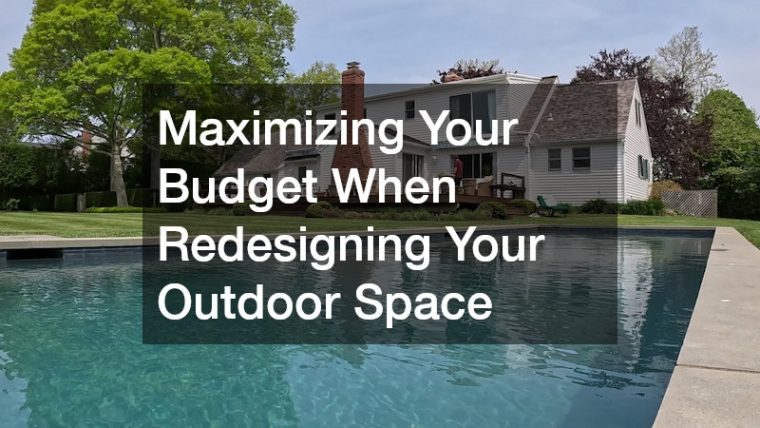

Redesigning your outdoor space can feel overwhelming once you start pricing out materials, labor, and unexpected repairs. Many homeowners either overspend on the wrong priorities or underspend on the elements that add the most long-term value. The good news is that with a clear plan and a bit of research, you can create a backyard you love without draining your savings. This guide breaks down where to invest, where to save, and how to sequence your project so every dollar works harder for you.
Start With a Realistic Vision and Budget
Before hiring anyone or buying a single plant, take time to define what you actually want your outdoor space to accomplish. Are you creating a place for entertaining, a private retreat, or a low-maintenance yard that just looks tidy? Picture how you’ll actually use the space: weekend barbecues for 20 people, a quiet reading nook, or a play area that can survive kids and pets.
Write down your must-haves versus nice-to-haves so you can make quick decisions when quotes start coming in. A new patio or fence repair might be non-negotiable, while a fire pit or outdoor kitchen can wait for phase two. Attach a rough dollar figure to each category, even if it’s just a ballpark from an hour of online research.
This upfront clarity prevents costly scope creep once the project is underway. Contractors can also price projects more accurately when they know your priorities upfront, which means fewer change orders and surprise fees later.
Once you know your goals, set a total budget and break it into categories like hardscape, plants, structures, and maintenance. As a rough guide, hardscaping such as patios, walkways, and retaining walls often eats up 40 to 50 percent of an outdoor budget, while plantings and softscape typically run 20 to 30 percent, leaving the rest for structures like pergolas, lighting, and irrigation.
Leave a buffer of at least 10 to 15 percent for surprises, since outdoor projects often reveal issues once digging or demolition begins. Common surprises include poor soil drainage, buried utility lines, old tree roots, or the need for additional grading before construction can even start.
Having this cushion built in from the start keeps small setbacks from turning into budget-breaking emergencies. It also gives you room to make small upgrades, like swapping in a nicer paver or adding an extra light fixture, without derailing the entire project.
Tackle Big-Ticket Structural Projects First
Big-ticket structural work should always come before the finishing touches, and pools are a prime example of why. If your backyard has a swimming pool that is outdated, cracked, or inefficient, addressing it early in your redesign makes financial sense. A pool renovation often includes resurfacing, updated plumbing, and energy-efficient equipment, all of which reduce long-term repair costs and water waste.
Costs vary widely depending on scope: resurfacing alone might run $5,000 to $15,000, while a full renovation involving new plumbing lines, a variable-speed pump, and updated tile can climb well past $30,000. Spending on these upgrades now often pays for itself within a few years through lower water bills and fewer emergency repairs. It also gives you a clear, fixed budget baseline before you start pricing out patios, plantings, or outdoor kitchens.
Doing this work before you landscape around the pool also prevents damage to new plants or hardscaping during construction. Heavy equipment, trenching for plumbing, and re-decking all require significant access to the surrounding yard. Renovating the pool first means your landscaping crew can build right up to the finished structure without the risk of costly do-overs.
Structural projects tend to disrupt the rest of the yard, so it is smart to finish them before adding finishing touches. Grading, drainage correction, retaining walls, pool installation, and foundation repairs all involve heavy equipment, excavation, and soil disturbance that can tear up any landscaping already in place. Trying to landscape around an unfinished pool or foundation issue usually means redoing work later, which wastes both time and money.
Think of these projects in terms of what lies beneath the surface: a $15,000 drainage system or a cracked patio slab won’t announce itself until water pools where your new flower beds sit, or pavers start shifting a year later. Addressing grading issues before installing sod, for example, can prevent costly regrading down the road. Similarly, if you know a pool is in your five-year plan, it makes sense to install it before investing in mature trees or an irrigation system that might need to be ripped out.
Sequencing your project this way protects your investment in the softer, more decorative elements you add afterward. It also gives you a clearer, more accurate budget picture, since structural work often reveals hidden costs like poor soil conditions or outdated utility lines. Once the bones of your outdoor space are solid, every dollar spent on plants, lighting, and hardscaping works toward a finished look that will actually last.
Expand Your Living Space Without a Full Addition
Adding square footage to your home does not always require a traditional room addition. A sunroom is a cost-effective way to gain usable living space while blurring the line between indoors and outdoors. It extends your season for entertaining and relaxing, often at a fraction of the cost of building out a permanent structure.
Because a sunroom uses more glass and lighter framing than a standard addition, permitting and construction timelines are typically shorter as well. This makes it an appealing option for homeowners who want a noticeable upgrade without a years-long renovation. Many families find that this space becomes one of the most used rooms in the house.
Get Professional Input Before Committing to a Layout
Even if you plan to do some work yourself, consulting with landscape designers early can save you from expensive layout mistakes. They understand drainage, sun exposure, and how mature plants will grow, which are details that are easy to overlook when planning on your own. A short consultation can help you avoid tearing out and replacing elements a year or two down the road.
Professional input is especially valuable when your yard has slopes, poor soil, or drainage issues that affect where structures and plantings can go. Getting this guidance before you purchase materials or hire other contractors helps every subsequent decision fit into a cohesive plan.
- Ask for a site assessment before finalizing your layout
- Request a phased plan if your budget requires spreading work over time
- Confirm any plant recommendations match your climate zone
- Discuss irrigation and drainage needs upfront
Choose Ground Cover That Fits Your Lifestyle
Grass is a classic choice, but it is not always the most budget-friendly option once you factor in water, fertilizer, and ongoing mowing. Artificial turf has become increasingly popular for homeowners who want a green, tidy lawn without the recurring maintenance costs. It performs especially well in shaded areas or high-traffic zones where natural grass struggles to survive.
While the upfront installation cost is higher than seeding a lawn, many homeowners recoup that investment through years of savings on water bills and lawn care. It also holds up well for pets and children, which makes it a practical option for busy households. Weigh the long-term savings against the initial price to see if it fits your specific yard and usage patterns.
Balance Hardscaping and Boundary Features
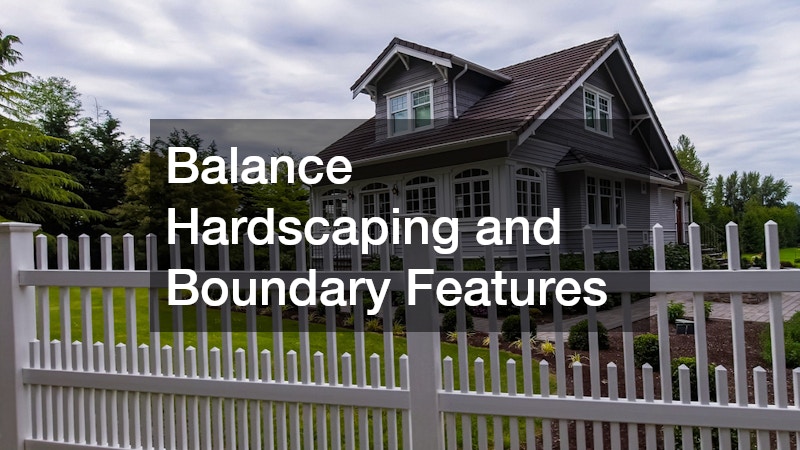
Patios, walkways, and retaining walls form the backbone of a functional outdoor space, so it pays to plan these elements carefully. Poured concrete typically runs $6 to $12 per square foot and offers a clean, budget-friendly base, while pavers ($10 to $25 per square foot) provide more design flexibility and easier spot repairs if one section cracks or shifts. Natural stone sits at the higher end, often $15 to $30 per square foot, but delivers a timeless look that can boost resale value.
A reputable hardscaping service can help you choose materials that balance cost, durability, and style based on your climate, soil conditions, and how much foot traffic the area will see. They can also flag issues like proper drainage slope and base compaction, which prevent costly cracking or shifting down the road.
Getting several quotes and asking about long-term maintenance needs for each material helps you avoid surprises later. For example, natural stone may need periodic sealing, while concrete can develop hairline cracks that require patching every few years.
Fencing is another feature that adds both privacy and value, but pricing varies widely depending on material and height. A basic 6-foot wood privacy fence might run $15 to $30 per linear foot installed, while vinyl and aluminum options can range from $25 to $45 per foot depending on style and hardware quality. Chain-link remains the most budget-friendly choice, though it offers less privacy and curb appeal.
Working with an experienced fence builder ensures the structure meets local code requirements, sits correctly on your property line, and is built to withstand weather in your area, whether that means wind-rated posts for coastal climates or frost-depth footings up north. A knowledgeable builder can also flag permit requirements or HOA restrictions before installation begins.
Comparing wood, vinyl, and metal options against your budget and maintenance tolerance will help you choose the right long-term fit. Wood offers warmth and customization but needs periodic staining or sealing, vinyl requires little upkeep but costs more upfront, and metal fencing strikes a middle ground with strong durability and minimal maintenance.
- Concrete pavers run about $10–$20 per square foot installed, offering strong durability and a variety of patterns and colors without the premium price tag
- Natural stone costs $15–$30+ per square foot but adds significant resale value and a timeless look that buyers notice
- Wood fencing costs $15–$25 per linear foot upfront but requires regular staining or sealing every 2–3 years to prevent rot and warping
- Vinyl and metal fencing cost $25–$40+ per linear foot upfront but last 20+ years with minimal maintenance, making them cost-effective over time
- Mixing materials—like pairing a wood fence with a concrete paver patio—can help you save in one area while splurging in another
Plan for Ongoing Maintenance, Not Just Installation
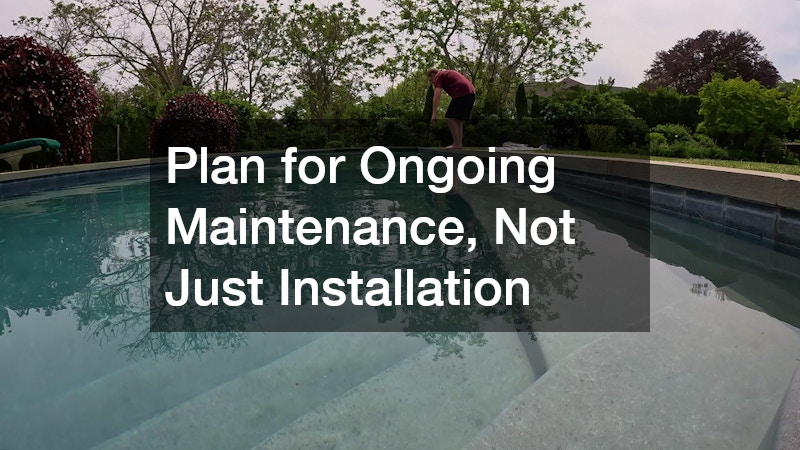
A common budgeting mistake is focusing only on installation costs while ignoring what it takes to maintain the space afterward. If your redesign includes a pool, factor in regular visits from pool cleaners to keep water chemistry balanced and equipment running efficiently. Skipping this step often leads to bigger repair bills down the road when problems go unnoticed.
Outdoor spaces also attract pests, especially once you add water features, mulch beds, or dense plantings. Budgeting for routine pest control from the start helps protect your landscaping investment and keeps your family comfortable using the space. It is far less expensive to prevent an infestation than to treat extensive damage after the fact.
- Schedule pool maintenance visits based on usage and season
- Ask about pest control treatments that are safe for pets and children
- Set aside a small monthly fund for ongoing upkeep costs
Use Lighting to Extend Function and Style
Good lighting can transform how often you use your outdoor space, especially during evenings and cooler months. Strategic outdoor lighting highlights walkways, seating areas, and landscaping features while also improving safety around steps and pool edges. LED fixtures have become far more affordable in recent years, making this upgrade accessible even on a modest budget.
Rather than lighting every corner of the yard, focus on key areas like entry points, dining spaces, and any water features you want to highlight after dark. This targeted approach keeps electrical and installation costs reasonable while still making a noticeable visual impact.
Protect Mature Trees and Long-Term Landscaping Value
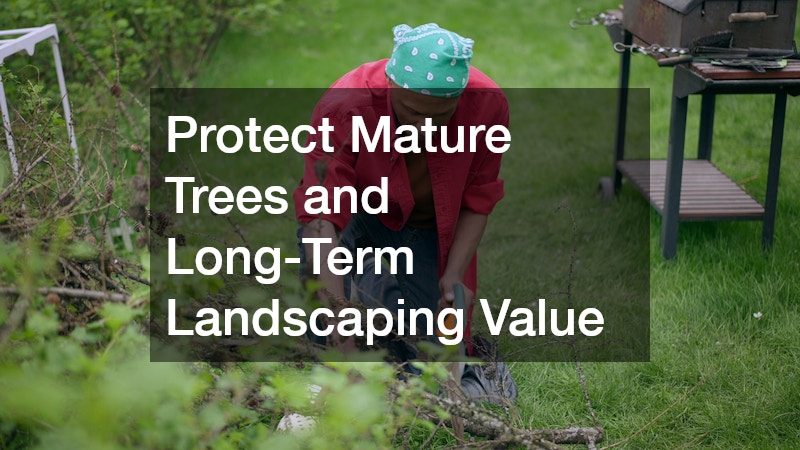
Established trees add significant value to a property, so protecting them during a redesign is worth the extra planning. Consulting with arborists before construction begins helps ensure that root systems and canopy health are not damaged by new hardscaping or digging. Removing or damaging a mature tree unnecessarily can be an expensive mistake, both in replacement cost and lost shade or privacy.
Arborists can also advise on pruning schedules and soil health, which keeps trees thriving alongside new landscaping features. This kind of preventative care is far cheaper than tree removal or emergency work after storm damage. Factoring tree care into your overall plan protects one of the most valuable, slow-to-replace assets in your yard.
Redesigning your outdoor space on a budget comes down to sequencing decisions wisely and understanding both upfront and long-term costs. Start with structural priorities, bring in professional guidance where it matters most, and choose materials and features that fit your lifestyle rather than just current trends. By planning for maintenance alongside installation, you will protect your investment for years to come. Take the time to map out your project in phases, and you will end up with a space that feels complete rather than rushed.
