Highlights:
A blocked drain is far more than a minor household inconvenience; it is a progressive plumbing emergency. Left unaddressed, a minor obstruction can quickly escalate into structural flooding, burst pipes, and severe biohazard contamination.
Recognizing the early warning signs of a compromised drainage network allows you to intervene before a small problem becomes a devastatingly expensive repair bill.
Here are the definitive signs that indicate you are dealing with a blocked drain and require professional assistance.
1. Strange, Gurgling Noises from the Pipes
One of the earliest, most distinctive indicators of a compromised pipe network occurs long before you see any water pooling. If you flush a toilet, run a tap, or empty the washing machine and hear a distinct gurgling, glugging, or sucking sound emanating from your fixtures, your pipes are sending a distress signal.
This characteristic noise occurs because a physical obstruction—whether it is a accumulation of wet wipes, tree root intrusion, or congealed grease—is restricting the free flow of wastewater. As water forces its way past the blockage, it traps pockets of air. This trapped air is displaced upward through the water seal, resulting in a gurgling sound.
If you notice this happening across multiple fixtures simultaneously, the blockage is likely situated deep within your main sewer line rather than a single localized pipe.
2. Slow Drainage in Taps and Appliances
When you pull the plug in your kitchen sink, shower, or bathtub, the water should disappear almost instantly, creating a clean vortex down the waste pipe. If the water lingers, pools around your feet during a shower, or takes several minutes to empty from the laundry tub, a blockage is actively forming.
In the kitchen, this slow drainage is commonly caused by a buildup of Fats, Oils, and Greases (collectively known in the plumbing industry as FOG). When warm fats are poured down the kitchen sink, they rapidly cool and solidify against the cold interior walls of your PVC or earthenware pipes.
Over time, this sticky residue traps food particles, coffee grounds, and organic debris, slowly choking the diameter of the pipe until water can barely pass through.
3. Persistent, Foul Odours Wafting from Fixtures
A healthy drainage system is designed to carry wastewater and associated organic matter away from your home swiftly and hygienically. When a blockage occurs, organic debris—including food scraps, hair, soap scum, and toilet paper—becomes trapped in stagnant water behind the obstruction.
As this trapped organic material begins to decompose in the dark, oxygen-deprived environment of your pipes, it releases foul-smelling gases, such as hydrogen sulfide. These noxious odours eventually travel back up through the floor wastes, plug holes, and toilet bowls, polluting your indoor air quality.
If you are constantly deploying air fresheners or pouring boiling water down the sink to mask a persistent, sewerage-like smell, you are dealing with an accumulating blockage that requires professional clearing.
4. Fluctuating Water Levels in Your Toilet
Your toilet bowl is a finely balanced hydraulic system. Under normal operating conditions, the water level should return to exactly the same height after every single flush. If you notice erratic changes in this water level, your main sewer line is compromised.
Pay close attention to these two primary warning signs:
-
The Water Level Rises Alarmingly High: When you flush, the bowl fills almost to the brim, threatening to overflow onto your bathroom tiles before slowly, agonizingly draining away over several minutes.
-
The Water Level Drops Unusually Low: The bowl drains completely or sits significantly lower than its standard resting point, which often indicates that a vacuum is being created down the line by a significant blockage pulling water out of the trap.
5. Patches of Lush Green Grass or Pooling Water Outside
Not all signs of a blocked drain manifest inside your home. In fact, some of the most telling symptoms occur out in your garden or lawn. If a particular patch of your lawn looks noticeably greener, thicker, or grows at a much faster rate than the surrounding grass, you likely have a cracked, blocked, or leaking underground drain.
In Australia’s often harsh and dry climate, native trees and invasive shrubs are constantly hunting for moisture and nutrients. The structural joints of older clay or earthenware sewer pipes are highly susceptible to shifting soil.
Once a tiny crack forms, tree roots will actively seek out the nutrient-rich water flowing within the pipe, breaking through the joins and creating a dense, fibrous mass that completely chokes the system.
[Tree Root Approaches Pipe Join] - [Infiltrates Micro-Crack] - [Grows via Nutrient-Rich Wastewater] - [Creates Catastrophic Blockage]
As the roots expand, they block the flow of water, causing it to leak out into the surrounding soil. This localized irrigation creates the lush patches of grass or, in severe cases, damp, boggy ground accompanied by a distinct unpleasant odour in your yard.
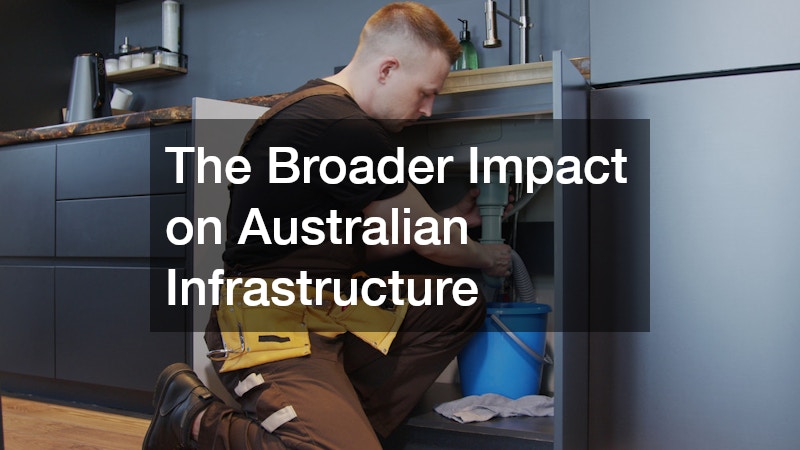
The Broader Impact on Australian Infrastructure
Managing residential blockages is not just a matter of personal convenience; it has a profound impact on our broader community infrastructure. When inappropriate items are flushed down residential toilets or poured down kitchen sinks, they combine in the municipal network to create massive obstructions that threaten public health and utility budgets.
According to research and consumer guidelines published by the Australian Competition and Consumer Commission (ACCC), products falsely marketed as “flushable” wet wipes do not break down like standard toilet paper. Instead, they remain intact, binding with grease to create catastrophic blockages across national wastewater networks, costing water utilities millions of dollars annually to clear.
Furthermore, state water authorities emphasize the critical role of homeowners in maintaining compliant connections. As outlined by Urban Utilities, property owners are legally responsible for the maintenance and repair of all internal plumbing and the private sewerage infrastructure up to the point of connection with the public utility main. Neglecting a private blockage can result in severe fines if it causes a backup into the public network.
Additionally, under the National Construction Code, managed by the Australian Building Codes Board (ABCB), all residential drainage systems must be kept clear and properly maintained to protect the structural integrity of the home and prevent building degradation caused by moisture ingress.
Conclusion: Act Early to Save Your Property
Ignoring the early warning signs of a drainage problem will never make it disappear. A gurgling sink or a slow-draining shower is a clear warning that complete system failure is on the horizon. By identifying these issues early, you avoid the stress, property damage, and significant emergency call-out fees associated with a catastrophic sewage overflow.
If you have noticed gurgling pipes, foul smells, or slow-moving water in your home, do not wait for a complete backup to occur. Take proactive action to safeguard your home’s plumbing network. Reach out to our licensed, fully insured trade professionals today to diagnose, clear, and permanently resolve your blocked drains before they cause costly structural damage to your most valuable asset.