
How to Assess the Health of Trees on Your Property
Before you can properly maintain your trees, you need to understand their current condition. Regular inspections allow you to catch small issues before they turn into expensive or dangerous problems. Many homeowners only notice tree problems when something obvious happens, like a fallen branch—but by then, the damage may already be advanced.
Start with a visual inspection of the canopy. Healthy trees typically have full, evenly distributed leaves during the growing season. If you notice sparse foliage, discoloration, or early leaf drop, it may indicate stress, disease, or poor soil conditions. Pay close attention to the bark as well. Cracks, peeling sections, or fungal growth can be signs of internal decay.
Next, evaluate the structure of the tree. A sudden lean, exposed roots, or uneven growth patterns can suggest instability. Dead or hanging branches—often called “widowmakers”—are especially hazardous and should be addressed quickly.
While basic checks can be done on your own, there’s real value in bringing in professionals for a deeper assessment. Arborists are trained to identify subtle warning signs that most homeowners would miss, such as early-stage disease or internal structural weakness. Scheduling a professional tree service inspection at least once a year can help you stay ahead of potential issues.
By building the habit of routine inspections, you can maintain healthier trees, reduce safety risks, and avoid costly emergency situations.
Creating a Seasonal Tree Care Routine That Works
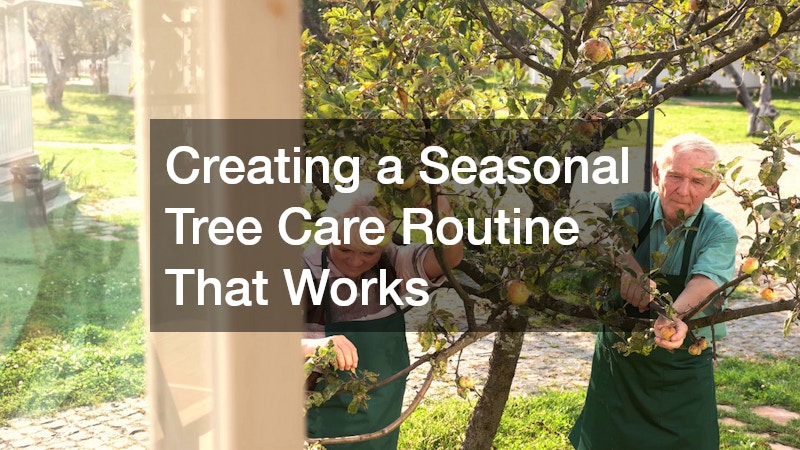
Tree maintenance isn’t something you do once and forget—it requires consistent care throughout the year. Each season presents different needs, and creating a simple, repeatable routine can help you stay on track without feeling overwhelmed.
In the spring, trees begin actively growing, making it the ideal time to inspect for winter damage. Look for broken branches, signs of disease, or compacted soil around the roots. This is also a good time to apply fertilizer to support new growth. Summer shifts the focus to hydration. During hot, dry periods, deep watering becomes essential, especially for younger trees. Adding mulch can help retain moisture and regulate soil temperature.
Fall is all about preparation. Clearing fallen leaves and debris helps prevent pests and fungal issues. Light pruning can remove weak branches before winter storms arrive. Winter, while quieter, is actually a great time for structural pruning because trees are dormant and easier to work with.
Many homeowners find it helpful to partner with tree services to create a customized maintenance schedule. These professionals can also coordinate with landscaping services to ensure your trees fit into the broader health of your yard.
By following a seasonal approach, you not only simplify maintenance but also give your trees the support they need at the right time of year.
When to Prune and How to Do It Safely
Pruning is one of the most impactful ways to maintain tree health, but it must be done correctly. Improper pruning can actually weaken a tree, making it more vulnerable to disease, pests, and structural failure.
Timing plays a critical role. For most trees, late winter or early spring is the best time to prune because the tree is still dormant. This minimizes stress and encourages strong, healthy growth once the growing season begins. However, dead or hazardous branches should be removed immediately, regardless of the time of year.
When pruning, focus on removing damaged, diseased, or crossing branches. Always cut just outside the branch collar to promote proper healing. Avoid removing too much at once—generally, no more than 20–25% of the tree’s canopy should be pruned in a single session.
Safety is a major concern, especially when working with tall trees or heavy limbs. Without the right tools and experience, pruning can quickly become dangerous. That’s why many homeowners rely on professional tree trimmers for anything beyond basic maintenance.
A qualified tree maintenance company can ensure the job is done safely and correctly. They understand how to shape trees for both health and stability, reducing the risk of future issues.
Proper pruning not only improves appearance but also strengthens the tree, helping it thrive for years to come.
Identifying When a Tree Needs to Be Removed
While preserving trees is usually the goal, there are situations where removal is the safest and most responsible choice. Knowing the warning signs can help you act before a tree becomes a serious hazard.
One of the most obvious indicators is a significant lean, especially if it has developed suddenly. This may suggest root failure or structural instability. Large cracks in the trunk, hollow sections, or visible decay are also strong signs that a tree may no longer be structurally sound.
Disease and pest infestations can also lead to removal if they are too advanced. Trees that are more than 50% damaged often cannot recover and may pose a risk to nearby structures or people.
Location matters as well. Trees growing too close to homes, driveways, or utility lines can create ongoing problems. In some cases, removal is the best way to prevent long-term damage.
Attempting to handle this on your own is not recommended. Tree removal is a complex and potentially dangerous process that requires specialized equipment and training. Hiring a professional tree service ensures the job is completed safely and efficiently.
Taking action at the right time can prevent costly repairs and protect your property. When in doubt, always seek a professional evaluation before making a final decision.
What to Do After a Tree Is Removed
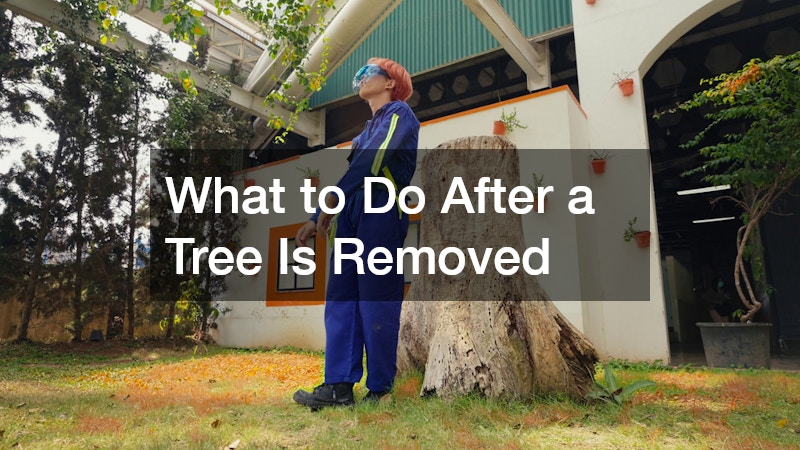
After a tree has been removed, many homeowners assume the job is complete—but the remaining stump can create a range of issues if left untreated. Addressing it properly is an important part of maintaining a safe and functional yard, especially if you plan to continue improving or redesigning your outdoor space.
Tree stumps can quickly become a breeding ground for pests such as termites, ants, and beetles. These insects don’t just stay in the stump—they can spread to nearby healthy trees, plants, or even your home. In addition, decaying wood creates the perfect environment for fungal growth, which can compromise soil health and impact surrounding vegetation. Over time, stumps can also begin to sprout new shoots, leading to unwanted regrowth that is both unsightly and difficult to manage.
Beyond these concerns, stumps are also a practical obstacle. They can interfere with mowing, limit how you use your yard, and create safety hazards. This is especially important in high-traffic areas where children play or guests walk.
Hiring a stump removal service is one of the most effective ways to resolve these issues. Professionals use specialized grinding equipment to remove the stump below the surface, ensuring it won’t regrow or cause future problems. This process also allows the soil to be leveled and restored.
Once the stump is gone, you gain full control over the space. Whether you want to replant, install a patio, or expand your lawn, removing the stump opens the door to cleaner, safer, and more functional landscaping options.
How to Choose the Right Professionals for the Job
Choosing the right professionals can make a significant difference in the quality and safety of your tree care. Not all providers offer the same level of expertise, so taking the time to evaluate your options is well worth the effort.
Start by researching a reputable tree maintenance company with strong reviews and a history of successful projects. Look for proper licensing and insurance, as this protects both you and the workers in case of accidents.
It’s also important to compare multiple tree services before making a decision. Request detailed estimates and ask about their approach to the work. A trustworthy company will be transparent about pricing, timelines, and the methods they use.
Experience matters, especially for more complex jobs like large tree removal or structural pruning. Ask about previous projects and whether they have handled similar situations. Good communication is another key factor—your provider should be responsive, clear, and willing to answer your questions.
By carefully selecting the right professionals, you can ensure your trees are cared for properly while avoiding unnecessary risks or expenses.
Using Professional Support to Enhance Your Landscape
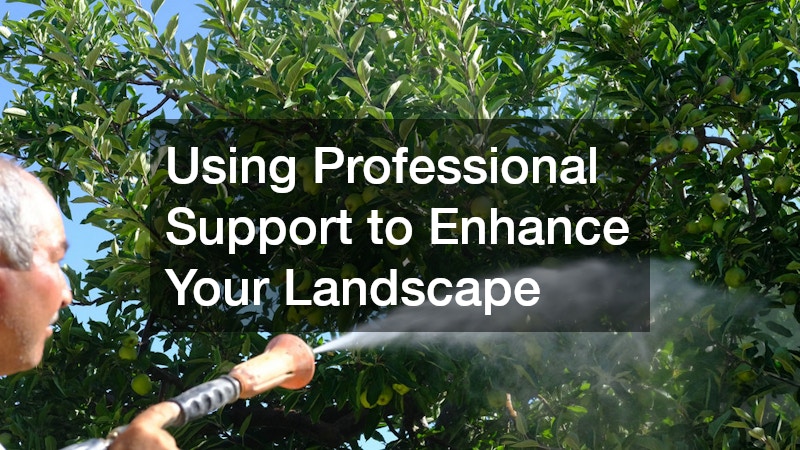
Tree care is not just about maintenance—it’s also about enhancing the overall look and functionality of your property. When done correctly, it can significantly improve your landscape’s design and usability.
Working with landscaping services allows you to create a cohesive plan that integrates trees with other elements like shrubs, lawns, and hardscaping. This ensures that your outdoor space feels balanced and intentional rather than overcrowded or uneven.
A garden center can also be a valuable resource. These centers provide guidance on selecting plants that complement your existing trees and thrive in your local environment. They can also recommend soil treatments, mulch, and other materials that support long-term growth.
Strategic tree placement and care can improve shade, reduce energy costs, and enhance privacy. With the right approach, your yard becomes more than just a space—it becomes an extension of your home.
Investing in thoughtful planning and professional support can transform your landscape into something both beautiful and functional.
Preparing for Storms and Preventing Emergency Damage
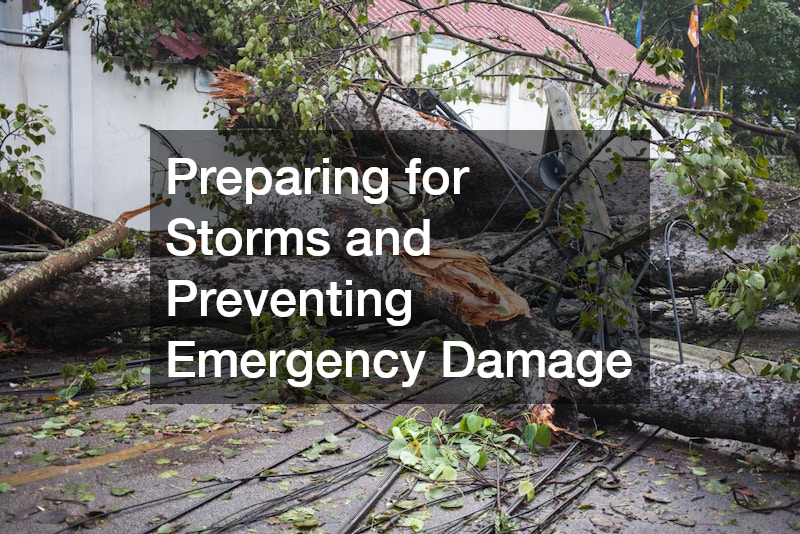
Storms are one of the biggest threats to trees, especially if they are not properly maintained. High winds, heavy rain, snow, and even ice can put immense stress on branches, trunks, and root systems. Taking preventative steps ahead of time can significantly reduce the risk of damage and protect not only your trees but also your home, vehicles, and nearby structures.
Start by identifying trees that may be vulnerable. Look for weak or overextended branches, uneven canopies, or signs of decay such as hollow sections or fungal growth. Trees with poor structure or shallow root systems are more likely to fail during storms. Regular pruning helps remove these risks before they become dangerous, allowing wind to pass through the canopy more easily and reducing strain on the tree.
Consulting arborists can provide valuable insights into which trees need attention and what steps should be taken. They can assess structural integrity, recommend cabling or bracing for added support, and identify trees that may need more aggressive maintenance. Their expertise can be especially helpful for large or mature trees that pose a higher risk if damaged.
Despite your best efforts, emergencies can still happen. That’s why it’s important to have access to an emergency tree service. Quick response after a storm can prevent further damage, remove hazardous debris, and restore safety to your property. Preparing ahead of time not only protects your home but also ensures you’re ready to act quickly when severe weather strikes.
Cost Factors and Budgeting for Tree Maintenance
Tree care costs can vary widely depending on several factors, but understanding what influences pricing can help you plan more effectively. Being proactive with maintenance is often the best way to avoid unexpected expenses.
Tree size is one of the biggest cost factors. Larger trees require more time, labor, and equipment to maintain or remove. Location also matters—trees near structures or power lines are more complex and therefore more expensive to service.
Routine care through a professional tree service is typically more affordable than emergency work. Scheduling regular inspections and maintenance helps catch issues early, reducing the likelihood of costly repairs.
However, unexpected situations such as storm damage may require immediate attention. In these cases, an emergency tree service may be necessary, and costs can be higher due to urgency and risk.
Creating a maintenance budget that includes both routine care and potential emergencies can help you stay prepared. Investing in preventative care is almost always more cost-effective than dealing with major problems later.
Common Tree Care Mistakes Homeowners Should Avoid
Even with good intentions, homeowners often make mistakes that can harm their trees or create safety risks. Being aware of these common issues can help you avoid them.
Over-pruning is one of the most frequent mistakes. Removing too many branches can weaken the tree and disrupt its natural growth. Consulting experienced tree trimmers can help ensure proper techniques are used.
Another mistake is ignoring soil health and plant compatibility. A garden center can provide guidance on selecting the right plants and maintaining healthy soil conditions.
Many homeowners also attempt dangerous tasks without proper equipment or experience. Climbing trees or cutting large branches can lead to serious injury or property damage.
By avoiding these pitfalls and seeking professional guidance when needed, you can maintain healthier trees and a safer property.
Keeping Your Trees Healthy for Years to Come
Maintaining your trees is an ongoing process that requires attention, care, and the right approach. By staying proactive and addressing issues early, you can enjoy the many benefits that healthy trees bring to your property for years to come.
