

- Pruning timing is crucial – Knowing when to prune shrubs in spring, summer, or fall prevents stress, promotes healthy growth, and maximizes flowering.
- Assess your shrubs first – Look for dead, damaged, or overcrowded branches before deciding how and when to prune.
- Spring pruning encourages blooms – Early spring pruning of shrubs that bloom on new growth improves flower production and overall plant health.
- Summer pruning is mostly maintenance – Light trimming, deadheading, and shaping keeps shrubs tidy and encourages a second flush of blooms.
- Fall pruning is for cleanup – Focus on removing weak or damaged branches and preparing shrubs for winter, avoiding heavy cuts late in the season.
- Use proper tools and techniques – Bypass pruners, loppers, and clean cuts at 45-degree angles protect shrubs from disease and damage.
- Adjust for shrub type – Flowering vs. evergreen shrubs and those blooming on old vs. new wood require different pruning schedules to ensure optimal results.
Pruning shrubs isn’t just about keeping your garden looking neat. It’s a key part of plant health, encouraging new growth, preventing disease, and even improving blooms. But knowing when to prune shrubs can be confusing—do you do it in spring, summer, or fall? This guide will walk you through the best timing and techniques for each season, so your shrubs stay healthy and beautiful all year.
Why Does Timing Matter When Pruning Shrubs?
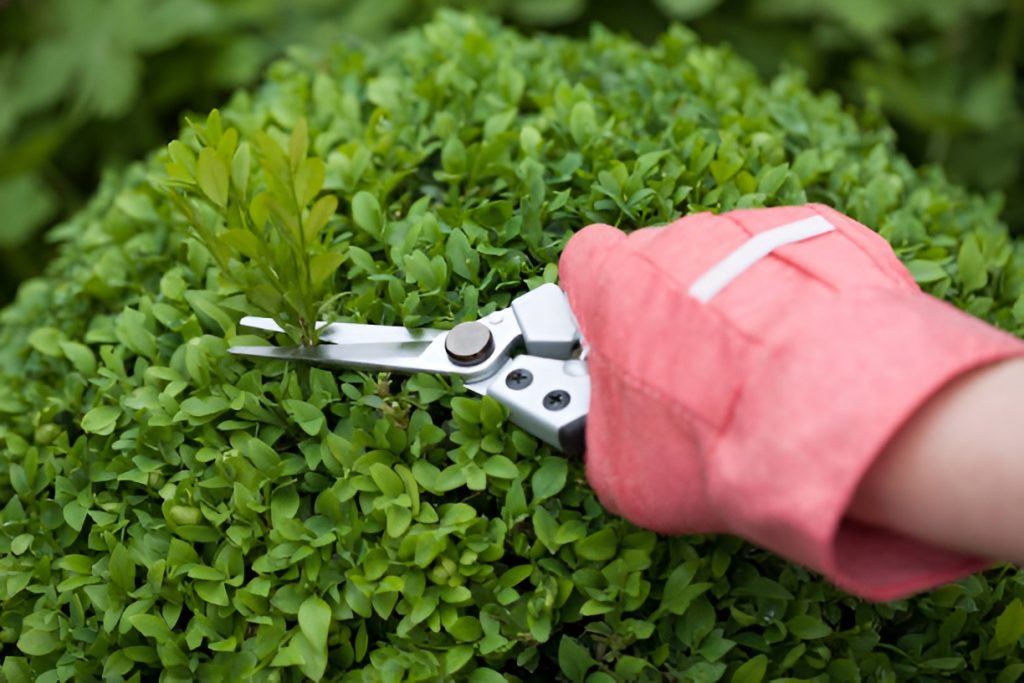
Pruning at the wrong time can stress your plants, reduce flowering, or make them vulnerable to disease. Some shrubs bloom on old wood, while others bloom on new growth. Cutting the wrong branches at the wrong time can mean missing out on flowers or slowing growth. Understanding when to prune shrubs according to the season and plant type ensures you’re giving your garden the best chance to thrive.
How to Know If Your Shrubs Need Pruning
Before learning how to prune shrubs, it’s important to identify why pruning is necessary. Some common signs include:
- Overgrown or unruly branches crowding other plants
- Dead, damaged, or diseased branches
- Shrubs that are losing shape or becoming too dense
- Weak or crossing branches that may break under weight
- Shrubs that need rejuvenation to boost flowering or new growth
Regularly assessing your shrubs makes it easier to prune at the right time and keeps your garden looking its best.
When to Prune Shrubs in Spring
Spring is a popular time for pruning, especially for shrubs that flower on new growth. Here’s what you need to know:
Which Shrubs Are Best Pruned in Spring?
- Forsythia
- Butterfly bush
- Hydrangea (varieties that bloom on new wood, like Limelight)
- Lilac
Spring pruning encourages new growth and can improve flower production later in the season.
Tips for Spring Pruning
- Remove any dead or damaged branches first.
- Cut back crowded stems to improve air circulation.
- Shape the shrub lightly—avoid heavy pruning unless it’s a rejuvenation effort.
- Prune early in spring before buds start to swell for best results.
Common Mistakes to Avoid in Spring
- Pruning flowering shrubs that bloom on old wood—this can remove buds that would produce flowers.
- Cutting too late in spring, which can stress the plant during active growth.
- Using dull tools that tear the branches instead of clean cuts.
When to Prune Shrubs in Summer
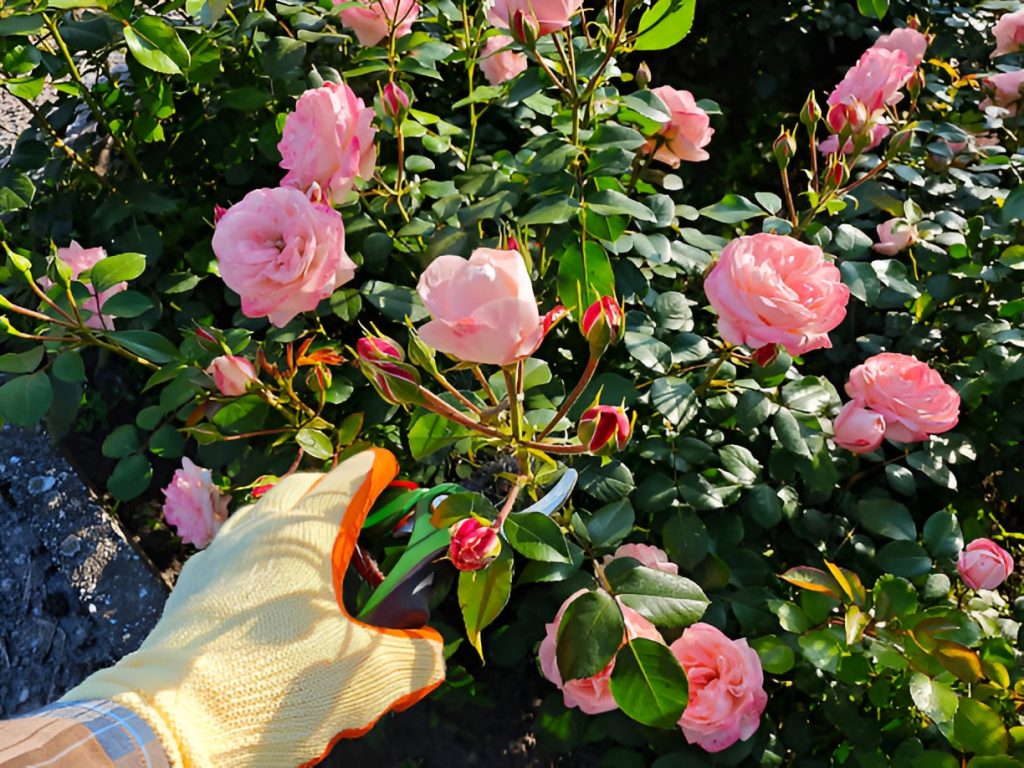
Summer pruning is usually light maintenance to keep shrubs tidy and healthy.
Why Prune in Summer?
- Helps control size and shape
- Removes dead or damaged branches after spring growth
- Improves air circulation to prevent disease
- Encourages a second flush of blooms on some flowering shrubs
Summer Pruning Guidelines
- Focus on shaping rather than heavy cutting
- Remove any branches that show signs of disease or pest damage
- Deadhead flowers to encourage continued blooming
- Use clean, sharp tools to make precise cuts
Shrubs Ideal for Summer Pruning
- Roses (especially repeat bloomers)
- Spirea
- Hibiscus
- Butterfly bush
Quick Summer Pruning Checklist
- Dead or broken stems
- Excessive growth that blocks walkways
- Crossing or rubbing branches
- Faded flowers to encourage reblooming
When to Prune Shrubs in Fall
Fall pruning is less common but can be important for certain shrubs, particularly evergreens and those needing cleanup before winter.
Why Fall Pruning Can Be Useful
- Removes damaged branches from summer storms
- Helps prepare shrubs for winter and reduce wind damage
- Reduces overcrowding for better light and air penetration
Fall Pruning Guidelines
- Avoid heavy pruning late in fall—new growth may not harden off before frost.
- Focus on light trimming and removing weak or diseased branches.
- Clean up fallen leaves and debris around shrubs to prevent disease.
Shrubs Best Pruned in Fall
- Boxwood
- Holly
- Yew
- Juniper
Fall Pruning Tips
- Limit pruning to no more than 20-25% of the shrub’s growth
- Always disinfect tools between cuts to prevent spreading disease
- Consider mulching the base of the shrub to protect roots over winter
Tools You’ll Need for Effective Pruning
Having the right tools makes pruning easier and safer for both you and your plants. Essentials include:
- Bypass pruners for small branches
- Loppers for medium branches
- Hand saw for larger stems
- Gloves and safety glasses
- Disinfectant for tools
How to Prune Shrubs Without Damaging Them
- Always prune at a 45-degree angle, just above a bud or lateral branch.
- Avoid cutting too close to the main stem, which can damage the plant.
- Make clean cuts—splintered branches are vulnerable to disease.
- Step back and assess the shape as you prune; symmetry matters as much as health.
Signs You Might Be Pruning at the Wrong Time
- Shrubs with fewer flowers than expected
- Excessive new growth in winter (if pruned late in fall)
- Wilting or stressed plants
- Increased susceptibility to disease
By adjusting your pruning schedule according to the type of shrub and season, you can avoid these issues.
Seasonal Pruning Schedule at a Glance
| Season | Focus | Best Practices | Examples |
| Spring | Encourage new growth | Prune before buds swell, remove dead/damaged wood | Forsythia, Lilac, Butterfly bush |
| Summer | Shape and maintain | Light pruning, deadhead flowers | Roses, Spirea, Hibiscus |
| Fall | Cleanup and prep | Remove weak/damaged branches, avoid heavy cuts | Boxwood, Holly, Juniper |
This simple chart helps you plan pruning tasks throughout the year and ensures your shrubs get the care they need.
FAQs About When to Prune Shrubs
Q: Can I prune shrubs anytime I want?
A: Light pruning and deadheading can be done anytime, but heavy pruning should follow the seasonal guidelines to avoid harming the plant or reducing blooms.
Q: What happens if I prune flowering shrubs at the wrong time?
A: Pruning at the wrong time can remove flower buds, resulting in fewer blooms. Some shrubs bloom on old wood, so cutting too early can prevent flowering that year.
Q: How do I know if a branch is dead?
A: Live branches are flexible and green inside when scratched lightly. Dead branches are brittle, gray, and may break easily.
Q: Do evergreens need different pruning care?
A: Yes, evergreens are typically pruned lightly in late winter or early fall to maintain shape. Avoid heavy pruning that stimulates new growth just before winter.
In a Nutshell
Pruning is both an art and a science. Knowing when to prune shrubs in spring, summer, and fall ensures healthy growth, more flowers, and a tidy landscape. By following seasonal guidelines, using the right tools, and paying attention to your plant’s needs, pruning can become an easy and rewarding part of garden maintenance.
Remember: healthy shrubs grow slowly and steadily, not overnight. Consistency and timing are key to keeping your garden vibrant and flourishing.
