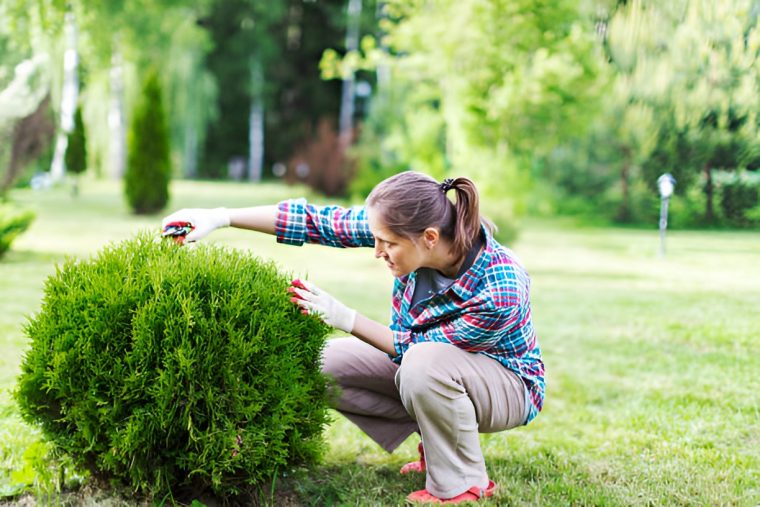

- Pruning promotes overall shrub health – Removing dead, diseased, or damaged branches encourages new growth, improves air circulation, and reduces the risk of pests and diseases.
- Timing matters – Different shrubs have specific pruning schedules (spring-flowering, summer-flowering, evergreens, and deciduous), and pruning at the wrong time can reduce blooms or stress the plant.
- Use the right tools – Hand pruners, loppers, pruning saws, and hedge shears, along with gloves and disinfectants, make pruning safer, cleaner, and more effective.
- Follow a step-by-step approach – Assess the plant, remove problem branches, thin dense areas, shape carefully, and always review your work to avoid over-pruning.
- Adjust pruning by shrub type – Flowering, evergreen, and deciduous shrubs each require different techniques and timing for optimal growth and flowering.
- Shape and safety are essential – Trim shrubs following their natural growth patterns, avoid over-shearing, and remove branches that pose hazards near walkways, driveways, or power lines.
- Rejuvenation and seasonal care – Overgrown or neglected shrubs can be restored gradually, and integrating pruning into seasonal care routines ensures long-term health and vibrant blooms.
Pruning shrubs might seem intimidating at first, but it’s one of the most rewarding tasks you can do for your garden. Done correctly, pruning keeps your shrubs healthy, encourages growth, enhances flowering, and keeps your landscape looking polished. This guide will walk you through everything you need to know, from basic techniques to seasonal tips and troubleshooting common problems.
Why Should You Prune Shrubs?
Pruning isn’t just about keeping shrubs looking neat. It serves several important purposes:
- Promotes Healthy Growth: Removing dead or diseased branches allows the plant to focus energy on new growth.
- Improves Air Circulation: Thinning crowded branches reduces the risk of fungal diseases.
- Enhances Shape and Aesthetic: Shaping shrubs creates a more visually appealing garden.
- Encourages Flowering and Fruit Production: Proper pruning can boost blooms and fruit yield in flowering and fruiting shrubs.
- Prevents Damage: Cutting back overgrown branches helps prevent them from interfering with structures, walkways, or other plants.
If you’ve ever wondered why your shrubs look scraggly or aren’t flowering well, improper or missed pruning might be the culprit.
When Is the Best Time to Prune Shrubs?
Timing is everything in pruning. While every plant has its own rhythm, here’s a general guide:
Spring Flowering Shrubs
- Prune immediately after blooming.
- Avoid cutting in late winter or early spring, as you may remove buds meant for flowers.
Summer or Fall Flowering Shrubs
- Prune in late winter or early spring before new growth starts.
Evergreen Shrubs
- Can be pruned in late spring or early summer.
- Light trimming can be done throughout the growing season to maintain shape.
General Tips
- Avoid heavy pruning during frost or extreme heat.
- Always check plant-specific guides, as timing can vary.
Understanding timing ensures your shrubs recover quickly and flourish in the next season.
What Tools Do You Need to Prune Shrubs?
Having the right tools makes pruning safer and more efficient. Here’s a list of essentials:
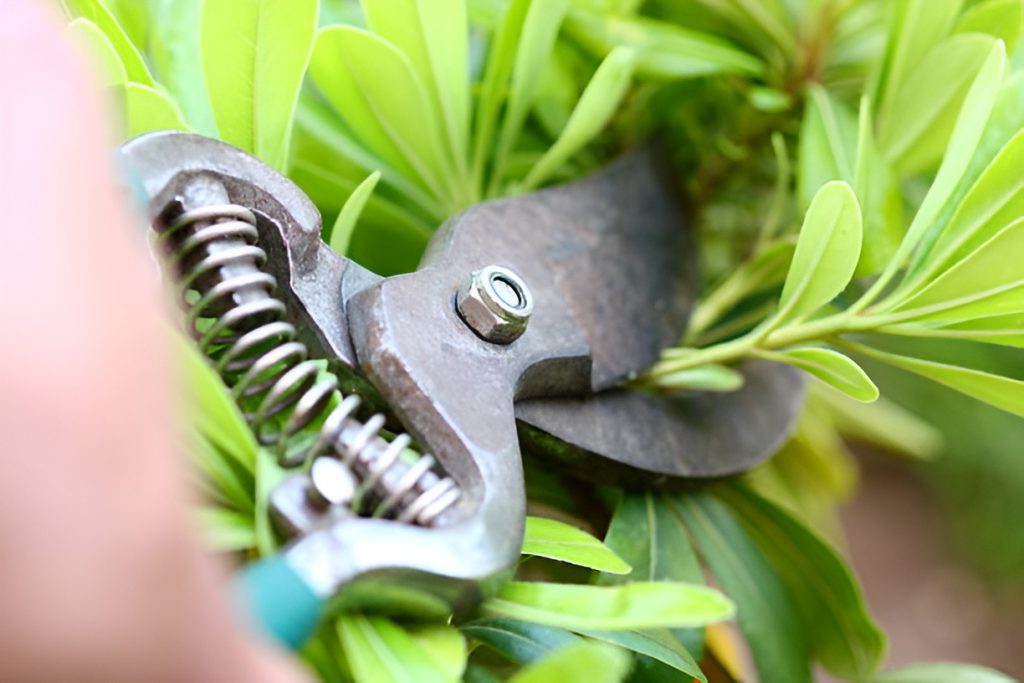
- Hand Pruners: Ideal for small branches up to ¾ inch thick.
- Loppers: Perfect for thicker branches between ¾ inch and 2 inches.
- Pruning Saw: For branches thicker than 2 inches.
- Hedge Shears: Best for shaping boxy or formal hedges.
- Gloves and Safety Gear: Protect your hands and clothing from thorns and sap.
- Disinfectant: Clean tools between plants to prevent disease spread.
Maintaining sharp tools is key. Dull blades tear branches instead of cutting cleanly, which can stress your shrub.
How to Prune Shrubs: Step-by-Step Basics
For beginners, having a clear sequence can make pruning less intimidating and more effective. Here’s a detailed guide to follow:
Assess the Plant
Before you touch your pruners, take a close look at your shrub. Identify any dead, damaged, or diseased branches that need attention. Notice areas where branches are crowded or crossing, and pay attention to the natural shape of the shrub. Understanding the plant’s structure will guide your cuts and help maintain a healthy form.
Start with Dead or Diseased Branches
Always tackle problem branches first. Cut these back to either healthy wood or all the way to the base of the plant. Removing these branches not only improves appearance but also prevents the spread of disease and pests. For stubborn dead branches, use a pruning saw instead of forcing hand pruners, which could damage the shrub.
Remove Crossing or Rubbing Branches
Branches that cross or rub against each other create wounds, which can invite disease and pest infestations. Identify these branches and remove the weaker or less desirable one. Make clean cuts to avoid jagged edges that can take longer to heal.
Thin Out Dense Areas
Dense growth in the center of the shrub limits air circulation and sunlight, increasing the risk of fungal problems. Thin these areas carefully by cutting select branches back to their point of origin, leaving space between remaining stems. This improves overall health and encourages strong, outward growth.
Shape the Plant
Once problem areas are removed, focus on shaping the shrub. Trim lightly, following its natural contours instead of forcing it into a perfect geometric shape. The goal is a balanced, healthy look that enhances your garden without stressing the plant.
Step Back and Review
After pruning, take a step back and examine the shrub from multiple angles. Ensure you haven’t removed too much, as over-pruning can shock the plant and slow growth. Remember: it’s easier to trim more later than to fix an over-pruned shrub.
Quick Tip: Always cut at a slight angle just above an outward-facing bud. This encourages new growth to extend outward, preventing the plant from becoming too dense in the center.
How Much Should You Prune Shrubs?
Knowing how much to prune depends on the type of shrub and your goals. Here’s a breakdown:
Light Pruning (10-20%)
This is mostly maintenance pruning. Remove only small amounts to maintain shape, tidy up, or take out minor problem branches. Ideal for shrubs that are already healthy and well-maintained.
Moderate Pruning (20-40%)
Used to rejuvenate growth. This may involve cutting back longer stems, thinning out crowded areas, and shaping the shrub for better form. Moderate pruning stimulates new growth and can improve flowering.
Hard Pruning / Rejuvenation (50% or more)
Necessary for overgrown or neglected shrubs. Remove older, thick branches, and reduce the size dramatically. Do this gradually over multiple seasons to avoid shocking the plant. Always combine hard pruning with proper aftercare, including watering, mulching, and fertilization.
Remember: Shrubs can recover from severe pruning, but removing too much at once may stress the plant and reduce flowering for a season.
How to Prune Shrubs for Different Types
Shrubs vary in growth patterns, so it’s important to adjust your approach depending on the type:
Flowering Shrubs
- Bloom on Old Wood: These shrubs produce flowers on stems that grew last year. Prune immediately after flowering, so you don’t cut off buds for next year. Examples include lilacs, azaleas, and forsythias.
- Bloom on New Wood: These shrubs flower on current-year growth. Prune in late winter or early spring before new growth begins. Examples include butterfly bush, some hydrangeas, and viburnum. Cutting too late may remove potential blooms.
Evergreen Shrubs
- Focus on removing dead or damaged branches and maintaining shape.
- Avoid cutting into old, bare wood that may not produce new shoots. Evergreens respond best to light, consistent trimming rather than severe cuts.
Deciduous Shrubs
- Can generally handle more aggressive pruning, as they leaf out each spring.
- Remove dead, damaged, or crossing branches, and thin crowded areas.
- Aggressive pruning may be needed for rejuvenation but always consider gradual reduction if the shrub is large or neglected.
How to Shape Shrubs Without Damaging Them
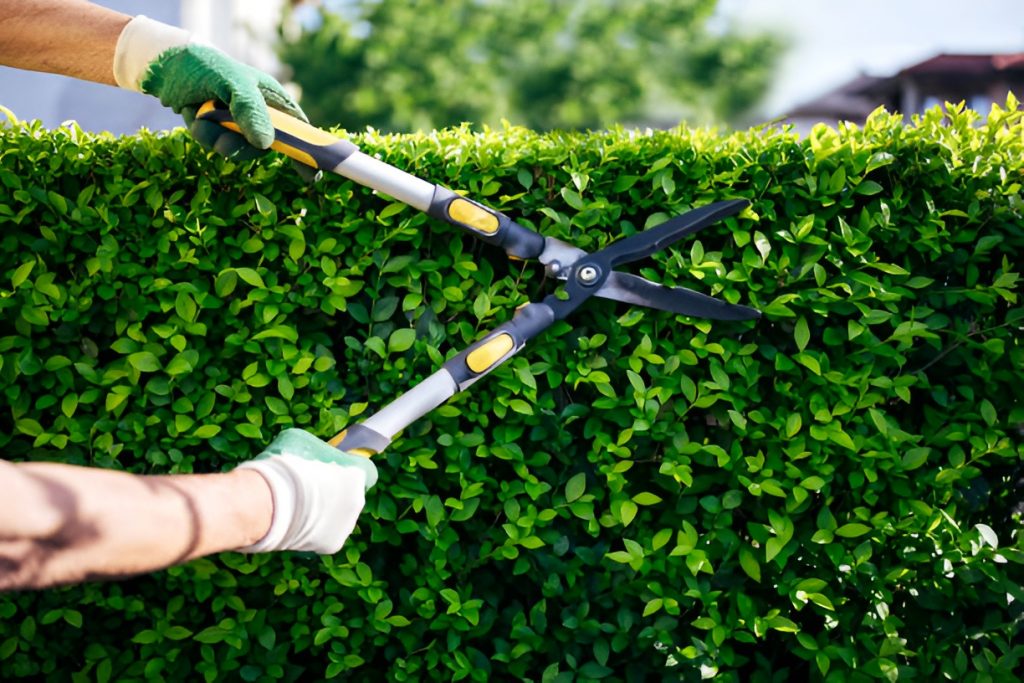
Shaping shrubs is both functional and artistic. Proper shaping enhances appearance, health, and flowering potential.
- Follow the Natural Growth Pattern: Observe how the shrub grows and trim in a way that complements its natural form. Avoid forcing unnatural shapes.
- Avoid Shearing Too Tightly: Over-shearing can create a “flat” look and stress the plant. Keep a bit of natural curve and texture.
- Trim Gradually: Check your work from multiple angles to maintain balance. Cut slowly and step back frequently.
- Use the Right Tools: Hedge shears for light shaping, pruning saws or loppers for thicker branches. Clean, sharp blades are essential for healthy cuts.
A properly shaped shrub should appear full and balanced, with enough space for light and air to reach the interior branches.
How to Handle Overgrown Shrubs
Overgrown shrubs can be challenging but manageable:
- Start by Thinning: Remove the largest, oldest branches first.
- Gradual Reduction: Don’t remove more than one-third of the plant in a single season.
- Rejuvenate Over Time: Hard pruning can be done in phases over a few seasons.
Patience is key. Overzealous cutting can leave your shrub stressed and vulnerable.
Common Mistakes When Pruning Shrubs
Even experienced gardeners slip up sometimes. Watch out for:
- Pruning at the Wrong Time: Cutting before or during bloom can reduce flowers.
- Cutting Too Much: Removing more than 40-50% can stunt growth.
- Using Dull Tools: Tears branches and invites disease.
- Ignoring Diseased Wood: Spreads infections to healthy areas.
- Shearing Without Thought: Creates unnatural shapes and weak growth.
Avoiding these mistakes will keep your shrubs healthy and attractive year after year.
How to Prune Shrubs to Encourage Flowering
Pruning can make shrubs bloom more abundantly:
- Remove dead flower stems to redirect energy.
- Cut lightly above outward-facing buds.
- Thin the center to allow more sunlight to reach inner branches.
- For flowering shrubs that bloom on new growth, cut back to encourage long, strong stems.
This strategy often results in larger, more vibrant blooms.
Seasonal Shrub Care Tips
Pruning is just one part of shrub maintenance. Seasonal care helps them thrive:
- Spring: Remove winter-damaged branches and dead growth.
- Summer: Light trimming to maintain shape and remove faded blooms.
- Fall: Avoid heavy pruning; remove dead wood and clean fallen debris.
- Winter: Focus on tool maintenance and planning for spring pruning.
Integrating pruning into seasonal care routines ensures shrubs remain healthy year-round.
How to Prune Shrubs for Safety
Some shrubs grow near pathways, driveways, or power lines. Safety-focused pruning helps prevent hazards:
- Cut back branches encroaching on walkways.
- Remove low-hanging or weak branches that could fall in storms.
- Keep shrubs away from electrical lines; call professionals if necessary.
- Regularly check for thorny or spiny branches near high-traffic areas.
Safety pruning protects both your plants and your family.
How to Rejuvenate Neglected Shrubs
Neglected shrubs can often be saved with careful pruning:
- Identify and remove dead or diseased wood first.
- Thin out crowded branches to open the plant’s interior.
- Gradually reduce height and width over one or two growing seasons.
- Apply mulch and fertilizer to encourage new growth.
Even shrubs that appear overgrown or unhealthy can bounce back with the right approach.
FAQs About Pruning Shrubs
Can I prune shrubs anytime?
While light pruning can be done year-round, major pruning should follow seasonal guidelines to protect blooms and plant health.
How do I know which branches to cut?
Remove dead, diseased, crossing, or inward-growing branches first. Then focus on shaping and thinning.
Will pruning make my shrub grow faster?
Pruning encourages healthy growth and energy redirection, but growth speed depends on plant type, health, and season.
How often should I prune shrubs?
Most shrubs benefit from annual pruning, but some flowering shrubs may need multiple trims per year.
What if I cut too much?
Pruned shrubs may recover slowly. Keep watering and feeding them, and avoid additional stress until they bounce back.
Final Thoughts
Pruning shrubs is more than just a garden chore—it’s a way to keep your plants healthy, beautiful, and thriving. By learning how to prune shrubs correctly, choosing the right tools, following seasonal schedules, and avoiding common mistakes, you can transform your garden into a lush, vibrant space. Remember, patience and observation are key. Start small, observe how your shrubs respond, and enjoy the rewards of a well-maintained garden for years to come.
