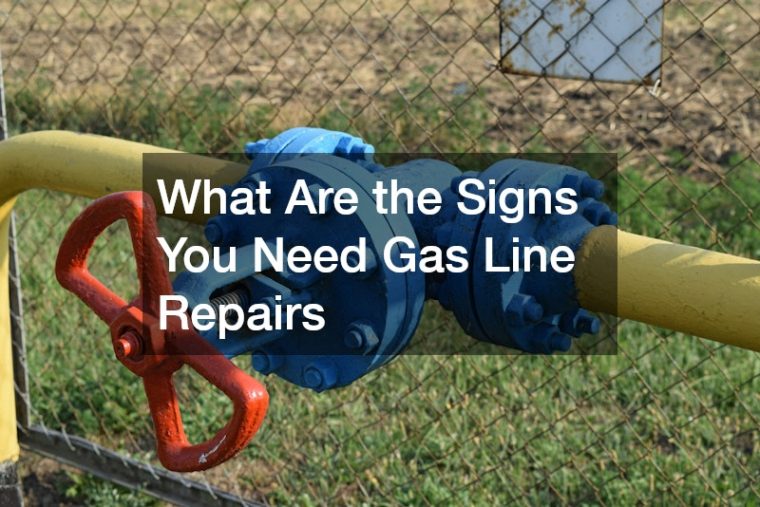
This section introduces the topic of gas line repairs and highlights the importance of recognizing the signs that indicate a need for repair. Gas lines, crucial components in many households, ensure efficient energy distribution, making the awareness of their health a priority. Neglecting the condition of your gas lines can lead to severe risks, including toxic gas exposure and potential explosions.
Being informed about the indicators of damage or leaks ensures both safety and cost efficiency. Careful monitoring and timely action prevent minor issues from escalating into major hazards.
What are common signs of a gas leak?
Gas leaks can often be detected through sensory signals that should never be ignored. An odor resembling rotten eggs often indicates a methane leak, as gas companies add mercaptan for this warning scent. If you detect such a smell, it’s crucial to investigate immediately. However, relying solely on smell can be deceptive, particularly outdoors or in well-ventilated areas, so vigilance for other signs is also important.
An audible hissing sound suggests gas is escaping and can often be detected even if the leak is underground or behind walls. Ignoring these noises is dangerous and can lead to severe safety threats. Regularly monitor strange noises around your gas lines and act quickly upon discovery.
Changes in vegetation health, such as plants near gas lines withering unexpectedly, can indicate a gas leak. Gas can suffocate plant roots by replacing oxygen in the soil, resulting in dead patches of grass or wilting bushes. Visible areas of sudden plant death warrant further investigation. Additionally, unexplained increases in gas bills can signify a persistent gas leak. Compare monthly bills to promptly identify surges.
How can you detect potential gas line damage?
Detecting potential damage in gas lines requires vigilance and professional assessment. Regular home inspections help you identify anomalies early. While self-inspections are valuable, they cannot replace professional expertise. Collaborating with qualified inspectors ensures comprehensive evaluation and enhances safety.
Professional diagnostic services offer precise evaluations of gas line integrity. Technicians use advanced tools for pressure testing and leak detection. Infrastructure can degrade over time, making periodic expert inspections essential.
Using the latest leak detection technologies safeguards your home. Modern equipment includes devices that detect leaks with precision, while visual inspections identify damage like corrosion. By integrating various methods and regularly engaging professionals, you improve the detection and mitigation of gas line decay. Combined vigilance and expert assessments protect your home and ensure your gas line system’s efficacy.
What should you do if you notice signs of a gas line problem?
Upon discovering signs of a gas line issue, immediate action is crucial. Suspect a gas leak? Evacuate the area swiftly and safely. Ensuring everyone vacates the premises minimizes exposure to hazardous gases. Plan your evacuation calmly and orderly to prevent panic. Leave doors open as you exit to help disperse any accumulating gas.
After securing a safe distance, contact authorities immediately. Dialing emergency services provides the necessary expertise to address the situation. Contacting your gas provider can expedite isolating impacted lines. It’s crucial to engage trained responders who have the tools to manage potential hazards safely. Following these steps protects your loved ones and property from danger.
During a gas leak, avoid using electronics or devices that spark. Actions like flipping switches or using phones could create ignition points. Don’t attempt to shut off the gas unless it’s safe; professionals should handle it. Await instructions from responders about when it’s safe to return. Adhering to expert recommendations ensures long-term safety and issue resolution.
How can you prevent gas line issues?
A proactive approach is one of the best strategies to prevent gas line issues. Conducting routine maintenance is vital to recognizing wear and potential problems before they escalate. Scheduling regular maintenance checks with a certified professional ensures that your gas line remains in optimal condition, preventing costly repairs and enhancing safety. It also keeps you informed about your infrastructure’s state and any necessary upgrades or replacements.
Proper installation from the start significantly lowers the chances of future complications. Having gas lines installed by accredited and experienced professionals guarantees precision and adherence to safety standards. Faulty installation can lead to minor faults that grow over time, causing leaks or compromising structural integrity. Proper documentation of the installation and maintenance timeline helps track the gas system’s health. Verifying appropriate installation practices assures the longevity and safety of your gas line system.
Educating household members on gas safety builds awareness and readiness for emergencies. Familiarize them with gas leak signs and response procedures. Establishing a protocol enables swift and coordinated action during an emergency, reducing panic and maximizing safety. Monitoring changes in gas performance, like low pressure or unusual odors, is an additional preventative measure. Finally, investing in safety devices like gas leak detectors provides extra security against unforeseen incidents.
What are the costs associated with gas line repairs?
The financial aspects of gas line repairs can vary significantly depending on several factors. Average repair costs fluctuate based on the extent and location of the damage. Simple repairs might be affordable, but extensive damage could require substantial investment. A proactive approach with scheduled maintenance usually costs less than emergency repairs. Understanding typical costs aids in financial planning for unforeseen events.
Emergency repairs often incur higher costs due to the urgent services and resources required for safety and quick resolution. In contrast, routine maintenance allows you to predict and manage expenses more effectively, minimizing unexpected financial burdens. Weighing these factors can help in making informed decisions about managing your gas line system costs.
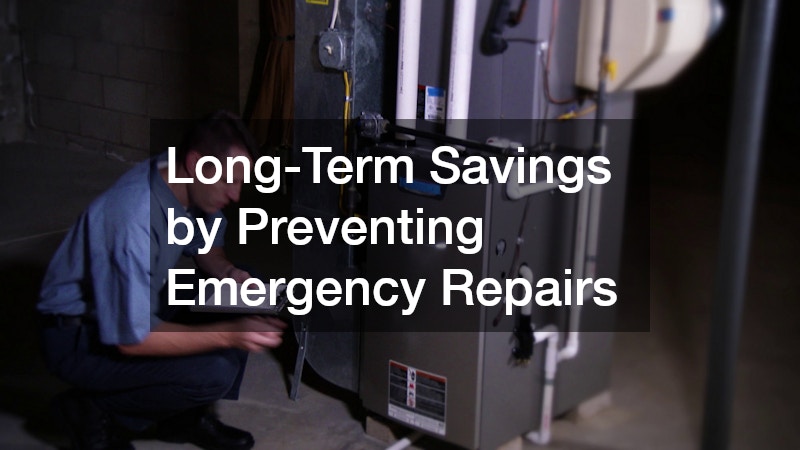
Several elements can cause variations in repair expenses, such as the age of the system, the location of the issue, and the complexity of repairs. Depending on your insurance coverage, some repair expenses may be alleviated. Policies covering gas line damage can significantly mitigate the financial impact compared to out-of-pocket expenses. Review your insurance policy to understand the extent of coverage. Maintaining an updated infrastructure fosters long-term savings by preventing costly emergency repairs.